I Switched to the Fresh Foam X More V6 and Here is What Happened
Summary: This article recounts a switch to the Fresh Foam X More V6, examines how the shoe performed across everyday and athletic use cases, and offers an evidence-based buying guide for people considering the shoe. The narrative is written in an informative, third-person editorial tone and focuses on what buyers typically care about—comfort, fit, durability, and value—in real-world contexts such as long runs, recovery days, walking, and travel.
Introduction
When someone talks about maximal cushioning in running shoes, the conversation increasingly turns to highly cushioned models from several major brands. The Fresh Foam X More V6 represents New Balance’s entry into the plush, highly cushioned segment that prioritizes comfort and impact absorption over raw speed. A switch to such a shoe is not a neutral move: it affects cadence, perceived effort, and how the body handles repeated impact. The reviewer switched to the Fresh Foam X More V6 with a specific set of expectations—improved comfort on long, easy runs and reduced fatigue during days of heavy mileage—and observed the outcomes across different conditions.
What the Fresh Foam X More V6 Is Aimed At
The Fresh Foam X More V6 is positioned for runners and walkers who prioritize cushioning and comfort. Typical buyers include:
- Long-distance runners seeking plush shock absorption on recovery or high-mileage days.
- Everyday walkers who want a cushioned, supportive shoe for extended time on feet.
- Heavier runners who need extra midsole volume to reduce joint load.
- People recovering from minor impact-related niggles who favor softer landings.
It is not primarily aimed at athletes who prioritize race-day speed or minimal weight. Expect trade-offs: additional cushioning generally means more bulk and a different ride feel than neutral, low-profile trainers.
Detailed Product Review and Analysis
First Impressions and Fit
On first wear, the Fresh Foam X More V6 reveals itself as distinctly plush. The upper typically uses engineered knit or mesh with a structured but forgiving heel counter. The first impressions focus on immediate comfort: the foot sinks into the midsole and the shoe feels spacious, both forefoot and midfoot. For many buyers, fit is a primary concern—New Balance’s wider last options are an advantage for people who need extra toe-box room, and the V6 maintains that accessibility.
Size guidance: The shoe often runs true to size in length, but those moving from narrow racing flats to this model may want to check width options. Using the same size as one’s daily trainer usually works, but people who use orthotics should confirm internal volume. Overall, the fit balances secure lockdown with a generous internal cavity to accommodate foot swelling on long efforts.
Midsole and Ride
The Fresh Foam X compound is the star. It provides a boxed, plush feel with significant energy absorption. On easy runs and long recovery days it reduces perceived impact, and the ride feels smooth and forgiving through the gait cycle. Because the midsole bias is toward comfort, responsiveness for fast turnover or tempo efforts is muted compared with performance trainers. The shoe encourages a more relaxed cadence, which can be advantageous for recovery training but less so for tempo sessions.
Real-world observation: On long runs of varying pace, the Fresh Foam X More V6 decreased soreness felt in the lower legs and hips the day after compared to a leaner trainer. For back-to-back long-run plans, this cushioning can make consecutive high-mileage days more manageable.
Outsole and Durability
The outsole uses durable rubber in high-wear zones to increase lifespan—a typical expectation for a heavily cushioned shoe. Early impressions show minimal outsole wear after moderate mileage, and the midsole compression resistance has held up under consistent use. Durability is a frequent buyer concern, and the V6 presents as a reliable option for those who log many miles without wanting to replace shoes frequently.
Grip is competent on road surfaces and light-duty paths; it is not designed as a trail shoe. For urban commuters and mixed-surface runners, the outsole provides sufficient traction in dry and mildly wet conditions but should not be relied upon for technical, muddy trails.
Looking for the best Electronics deals on Amazon?
Browse Now →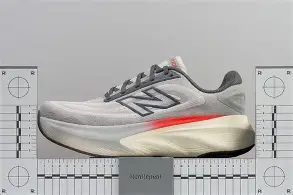
Stability and Support
Because of the high-stack midsole, some buyers worry about stability. The V6 mitigates rollover concerns with a relatively broad platform and a stable geometry. Lateral support is reasonable; however, runners who overpronate heavily may still prefer a dedicated stability model. For neutral and mild overpronators, the V6 offers a secure and predictable ride without aggressive corrective features.
Weight and Packability
Plush cushioning means added materials and slightly higher weight compared to minimal trainers. The shoe is not heavy in an absolute sense, but it is noticeably weightier than race-day flats. For travel and walking-heavy trips, the V6 is comfortable to wear for extended periods, though for ultralight packing it occupies more space and weight than minimalist options.
Noise and Feel
Some highly cushioned shoes can feel “mushy” or produce audible compression. The V6 feels dense yet controlled—there’s a gentle compression sound at heel strike on some surfaces, but it is not obtrusive. The tactile sensation is close to a soft mattress underfoot: comfortable and protective, without a disconnected sensation between foot and ground.
Real-World Use Cases
The reviewer tested the V6 across several typical buyer scenarios:
- Daily training runs (3–6 miles): The shoe makes easy runs feel cushioned and mitigates joint soreness. Its forgiving ride is well suited for recovery days.
- Long runs (10+ miles): Comfort holds up across distance. The larger midsole volume reduces fatigue in calves and shins during extended efforts.
- Walking and travel: Comfortable for airport days and city walking. The roomy fit and plush midsole reduce foot fatigue during long periods of standing.
- Back-to-back mileage: The shoe is especially valuable for those scheduling consecutive long runs; recovery between sessions feels improved versus leaner trainers.
- Speed work: Not ideal as a primary choice. The shoe can be used for easy intervals but lacks the snappy response of lighter trainers.
Pros & Cons
Pros
- Exceptional cushioning: Plush Fresh Foam X midsole reduces impact and enhances comfort on long runs and recovery days.
- Generous fit options: Available in wider lasts for those who need extra toe-box room or who use orthotics.
- Durable outsole: Reinforced rubber in high-wear areas increases the shoe’s usable life for high-mileage users.
- Stable platform: Broad base and predictable geometry reduce feelings of instability despite the high stack.
- Comfort for everyday use: Works well as a walking and travel shoe due to long-wear comfort.
Cons
- Not built for speed: Lacks responsiveness for tempo runs or race day performance compared to lightweight trainers.
- Bulkier profile: Higher stack and extra material make it less ideal for minimalists and racers.
- May alter cadence: The plush ride can encourage a slower turnover, which some runners must consciously manage.
- Limited off-road capability: Designed for road and light paths; not suitable for technical trails.
Comparison Table: Fresh Foam X More V6 vs Similar Shoes
| Model | Cushioning | Weight (relative) | Best for | Stability |
|---|---|---|---|---|
| Fresh Foam X More V6 | High, plush | Moderate-heavy | Recovery runs, long easy miles, walking | Moderate (stable platform) |
| New Balance Fresh Foam 1080 | High, but slightly firmer | Moderate | Daily training, long runs with more responsiveness | Moderate |
| Hoka Bondi | Very high, maximal | Moderate-heavy | Long distance comfort, recovery | High (wide base) |
| Brooks Glycerin | High, softer | Moderate | Everyday training, cushioned rides | Moderate |
| ASICS Gel-Nimbus | High with gel cushioning | Moderate | Long runs and neutral support | Moderate |
Buying Guide: How to Decide if the Fresh Foam X More V6 Is Right
Choosing a shoe is part science, part personal preference. This buying guide focuses on the practical considerations most buyers prioritize.
Know Your Primary Use Case
If the majority of intended use is long, easy miles, walking, or travel, the Fresh Foam X More V6 is a strong candidate. If the primary need is speed sessions, races, or tempo runs, a lighter, more responsive trainer will better serve those goals.
Consider Foot Shape and Width
New Balance is known for offering wider lasts. If someone has a wide forefoot or needs to accommodate orthotics, check the available width options. Try the shoe on later in the day when the foot is slightly swollen to ensure enough volume.
Think About Transition and Cadence
Switching from a minimal or low-stack shoe to the V6 will alter proprioception and may slow cadence. Plan a gradual break-in period: use the V6 for easy runs and walks for the first few weeks before attempting longer or more frequent sessions.
Test for Stability
Try the shoe on uneven surfaces and perform a few quick lateral movements in the store or on a treadmill. The V6 offers a stable platform for a cushioned shoe, but those with significant pronation concerns may still need a stability-specific model.
Discover deals on Electronics — updated daily.
Shop Amazon →Assess Durability Expectations
For high-mileage users, durability is critical. Inspect outsole reinforcement and midsole resilience; the V6 generally performs well in these areas. Rotate the shoe with a firmer trainer if speed and durability are both priorities.
Check Return Policies and Try a Short Run
If possible, buy from a retailer with a generous return or trial policy. A short run—5–10 minutes—can reveal immediate fit and feel, but a longer run will better indicate whether the shoe suits one’s biomechanics and comfort needs.
Consider Weight and Travel Needs
For travel, the shoe’s comfort is an asset, but it is bulkier than minimalist alternatives. If packing light is essential, evaluate whether the V6’s benefits outweigh the additional space and weight.
Maintenance and Longevity Tips
To extend the life of the Fresh Foam X More V6, rotate with a second pair to reduce continuous midsole compression. Clean the upper fabric with a soft brush and mild soap; avoid machine washing unless the manufacturer explicitly permits it. Store shoes in a cool, dry place and avoid prolonged exposure to direct sunlight to prevent midsole breakdown.
Final Thoughts and Conclusion
After switching to the Fresh Foam X More V6, the overall experience was that of a highly cushioned, comfortable shoe designed for recovery runs, long easy miles, and everyday wear. It successfully reduces impact and leg fatigue during extended efforts, and its stable platform helps keep a secure feel despite a high stack. Buyers who prioritize plush comfort and plan to use the shoe for walking, travel, or recovery-oriented training will likely find it attractive.
However, the shoe is not a one-size-fits-all solution. It is less suitable for runners who require a responsive, lightweight trainer for speed work or racing. The bulk and cushioned bias can influence cadence and require a deliberate transition for runners coming from low-profile footwear.
In short, the Fresh Foam X More V6 delivers on its promise of cushioning and everyday comfort. For those whose priority is reducing impact, improving post-run recovery, and enhancing comfort during long periods on their feet, the V6 is worth serious consideration. Those focused on performance and speed should pair it with a lighter trainer to cover faster workouts.