Should You Upgrade from Fiio Ft13 to Jlab Pop Party?
Category: Audio
Introduction
For many listeners, the decision to upgrade earphones is rarely about a single specification. It is about trade-offs: fidelity vs convenience, isolation vs awareness, wired control vs wireless freedom. The Fiio Ft13 and the Jlab Pop Party occupy very different corners of the personal-audio landscape, so the question "Should you upgrade?" depends heavily on what a buyer values in everyday use. This article provides a practical, comparative look at both products, examines real-world use cases, outlines pros and cons, and offers a buying guide to help readers make a confident choice.
Quick overview of the products
Fiio Ft13 is positioned to appeal to listeners who prioritize sound quality and a more traditional wired listening experience. Fiio’s IEMs are typically aimed at users who appreciate detail retrieval, a stable fit, and a robust physical connection to source devices—whether that’s a phone with a dongle, a portable DAC/amp, or a desktop headphone amplifier.
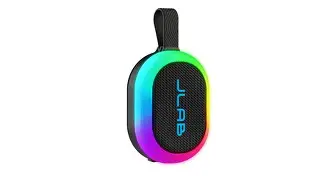
Jlab Pop Party is a modern true wireless (TWS) option focused on convenience, portability, and user-friendly features. JLab tends to design earbuds for active lifestyles—think commuting, workouts, and video calls—where battery life, wireless stability, and ergonomic fit matter more than the last few percentage points of audio detail.

Detailed product analysis
Fiio Ft13 — what it brings to the table
The Fiio Ft13 is best described as a listening-first product. Typical strengths for Fiio wired IEMs include a clean, well-balanced tuning, solid midrange presence (important for vocals), and tight, controlled bass. As a wired solution, the Ft13 provides a stable, low-latency connection and generally higher dynamic resolution when paired with a capable source. This makes it attractive for critical listening, on-the-go audiophiles, and anyone who prefers the predictability of a wired connection.
Real-world use cases for the Ft13 include:
- Long train or plane rides where battery life is not a concern and passive isolation helps with noise rejection.
- Desk listening with a portable DAC/amp or laptop—users who want more nuance for podcasts, classical, or acoustic music.
- Mobile gaming or applications where audio latency and consistent channel separation are important.
What buyers typically care about with a Fiio IEM: sound signature (neutral vs colored), build quality, cable termination (detachable or fixed), fit and tips included, and whether the earphones scale with better sources.
Jlab Pop Party — what it brings to the table
The Jlab Pop Party represents the wireless convenience many consumers now expect. Its strengths typically include hands-free operation, onboard controls for calls and media, and portability. JLab often balances approachable sound signatures with extra bass emphasis to keep casual listeners satisfied. Additional features commonly found in JLab earbuds—such as multipoint pairing, customizable EQ modes inside the companion app, and an IP rating for sweat resistance—make them appealing to active users.
Real-world use cases for the Pop Party include:
- Daily commuting where cable-free convenience and quick pocketability are priorities.
- Workout sessions where sweat resistance and secure fit are valued.
- Frequent video calls or voice chats where a reliable microphone and easy call controls matter.
Buyers often look for battery life, Bluetooth stability, latency for video watching and gaming, app-based EQ options, and how the earbuds fit in a pocket or case.
Sound and performance comparison
Comparing sound between a wired IEM and a TWS earbud is inherently apples-to-oranges. Wired IEMs like the Ft13 generally deliver a clearer, more detailed soundstage and lower noise floor when paired with a clean source. The physical wire and dedicated drivers allow for more consistent channel separation and faster transient response. For listeners who prioritize analytical listening—picking apart instrument placement, micro-details, and natural timbre—the Ft13 typically has the edge.
Shop the latest Audio & Headphones picks on Amazon.
Browse Now →Conversely, TWS earbuds such as the Pop Party are engineered for an accessible, enjoyable presentation. Many JLab earbuds emphasize punchy low end and a forward midrange to make voices and pop music sound engaging on small drivers. While they may not reveal the deepest micro-details in a studio mix, their strengths lie in usability and the overall "fun" factor for casual listening.
Latency and connectivity are also key performance differentiators. Wired earphones have near-zero latency and predictable channel stability. Wireless earbuds are subject to Bluetooth codecs, environmental interference, and device pairing behavior. Many modern TWS models mitigate this with low-latency modes and robust Bluetooth stacks, but for demanding tasks like competitive gaming or professional monitoring, wired remains the safer choice.
Comfort, fit, and isolation
Comfort and fit are subjective but critical. IEMs like the Ft13 typically come with multiple tip sizes and sometimes foam tips, allowing users to tune isolation and seal. A good seal boosts bass and passive noise rejection—useful on flights or in noisy offices. The trade-off is that deep insertion can sometimes feel intrusive during long sessions for some users.
True wireless buds prioritize ergonomic housings designed to be light and unobtrusive. The Pop Party, by design, should sit in the ear rather than be fully inserted for many users, making them comfortable for extended wear, though isolation will be less than with a well-sealed IEM. For outdoor awareness—jogging or cycling—less isolation can be a safety feature.
Battery and portability
Wired IEMs win on continuous listening because they don’t require charging. The Ft13 is more portable in one sense—no charging case to manage—but less so in another because cables can tangle and take up pocket space. JLab’s Pop Party offers the convenience of a charging case and wireless freedom. For travelers who value a seamless, cable-free experience between meetings, wireless + case is a big plus. However, listeners must remember to keep the case charged, and battery degradation over years can alter the long-term convenience.
Durability and maintenance
Durability considerations differ by category. Wired earphones are vulnerable to cable wear and connector corrosion but can be repaired or have cables replaced if detachable. True wireless buds are sealed units with small batteries and integrated electronics; damage to the housing or case can be harder or costlier to repair. Buyers should consider warranty terms and build materials. For heavy commuters, a rugged case and IP rating may matter more than driver configuration.
Pros & Cons
Fiio Ft13
- Pros: Generally superior raw audio fidelity and lower latency; predictable performance with high-quality source equipment; typically better passive isolation; often comes with multiple fit options and accessories.
- Cons: Less convenient than wireless; cables can tangle or fail; not ideal for workouts unless using a specialized cable or clip; depends on source device for best performance.
Jlab Pop Party
- Pros: Wireless convenience and pocketable charging case; useful features for daily life (controls, voice assistant access, app EQ options); better suited to active use and hands-free calls.
- Cons: Typically not as revealing or neutral as wired IEMs; battery management is an ongoing responsibility; potentially higher latency for some use cases; more difficult to repair.
Comparison table
| Category | Fiio Ft13 (Wired IEM) | Jlab Pop Party (True Wireless) |
|---|---|---|
| Form factor | Wired in-ear monitor | True wireless earbud with charging case |
| Best for | Critical listening, commuting with isolation, desktop/portable DAC users | Daily portability, workouts, hands-free calls |
| Sound signature | Typically balanced/neutral with detail emphasis | Generally fun, bass-forward, consumer-oriented |
| Latency | Near-zero (ideal for gaming/video) | Dependent on Bluetooth mode; modern codecs reduce latency but still higher than wired |
| Isolation | Strong (tip-dependent) | Moderate (safer for outdoor awareness) |
| Durability/maintenance | Subject to cable wear; potentially repairable/replacable | Sealed units; case/battery life considerations |
| Battery | No battery | Requires charging; case extends listening time |
| Price/value | Often competitive for quality; scales with sources | Usually strong value for convenience and features |
Buying guide — how to decide
Choosing between the Fiio Ft13 and Jlab Pop Party is less about which is objectively better and more about which fits the buyer's lifestyle and priorities. Here are practical questions and considerations to guide the decision.
1. How do you primarily listen to music?
If most listening happens at a desk with a laptop or with a portable DAC/amp, a wired IEM like the Ft13 will likely deliver a more satisfying sound. If listening often occurs while commuting, exercising, or moving between meetings, the wireless freedom of the Pop Party will be more convenient.
2. Do you need low latency?
For mobile gaming or watching video content where lip-sync is noticeable, wired earphones have the advantage. Some TWS earbuds offer low-latency modes, but performance varies across phones, tablets, and apps.
3. How important is call quality and microphone performance?
True wireless earbuds generally prioritize call convenience, with microphone arrays and software processing optimized for voice. Wired IEMs may include inline mics but often do not match the call clarity that an engineered wireless solution provides.
Looking for the best Audio & Headphones deals on Amazon?
Shop Amazon →4. Are you willing to manage batteries?
Battery maintenance is a real consideration. Wireless earbuds require frequent charging and case management. For a user who values "set and forget," wired IEMs eliminate that worry.
5. What is the intended environment?
For noisy commutes and flights, the passive isolation of a well-fitted IEM can be a benefit. For outdoor exercise where situational awareness is important, the moderate isolation of many TWS earbuds is preferable.
6. Do you value repairability and long-term durability?
Avoiding sealed, integrated electronics may be a priority for those who keep gear for years. Replaceable cables and the ability to use the earphones with external equipment can extend the usable life of a wired IEM.
7. Sound preference
Listeners who prefer neutral, accurate sound should gravitate toward the Ft13. Those who prefer a lively, bass-forward presentation for pop, electronic, and casual listening will likely enjoy the Pop Party sound profile.
Practical buying tips
- Try both in person if possible. Fit and comfort are highly individual and can make or break the listening experience.
- Pay attention to cable termination on the Fiio: detachable cables increase repairability and versatility.
- Check for firmware updates and companion app features on the Jlab: software often improves performance and adds features over time.
- Consider accessories: extra tips, a carrying case, and a shirt clip for wired IEMs; a sturdy charging case and replacement ear tips for TWS buds.
- Think about ecosystem compatibility: some phones and tablets handle Bluetooth codecs and multipoint pairing better than others.
- Read user reviews focused on the specific use case that matches yours (e.g., commuting, workouts, or desktop listening) rather than only aggregated scores.
Who should upgrade?
If the current setup is a wired IEM like the Fiio Ft13 and the user is frustrated by cables, wants hands-free calls, or needs earbuds for workouts and commutes, upgrading to the Jlab Pop Party makes sense. The trade-off will be some loss of raw fidelity and the need for battery management, but in return comes a vastly more convenient daily experience.
On the other hand, if the listener prioritizes sound precision, wants consistent low-latency performance for gaming or mixing, or values the long-term repairability and simplicity of a wired earphone, then staying with the Ft13—or upgrading to another high-quality wired model—may be the wiser choice.
Conclusion
The decision to upgrade from the Fiio Ft13 to the Jlab Pop Party depends more on lifestyle than on a single "better" product. The Ft13 emphasizes fidelity, stable wired performance, and passive isolation—assets for focused listening and users with higher-end source gear. The Pop Party emphasizes portability, wireless convenience, and features tailored to active, on-the-go life.
Rather than viewing this as a straightforward upgrade, consider it a change in category: wired detail and predictability versus wireless convenience and versatility. Buyers should weigh where and how they listen most often, what compromises are acceptable, and which benefits will be used daily. With those considerations in mind, the right choice will become clear.